Resident spotlight: Shana-Kay Lambert-Johnson, MD
Graduating resident committed to patients, community, and mentorship
By Samantha White
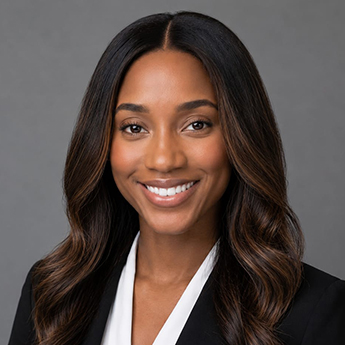
Growing up in rural Jamaica, Shana-Kay Lambert-Johnson, MD, witnessed firsthand the vital role trusted physicians play within their communities — an experience that continues to shape her approach to medicine today. As chief resident for the Family Medicine Residency Program at Medical City Fort Worth, she now cares for diverse patient populations across both inpatient and outpatient settings while also pursuing interests in medical education, patient safety, and quality improvement. Lambert-Johnson is just about to complete residency and says she hopes to be “someone who provides thoughtful care while also contributing to the growth and support” of those around her.
Who or what inspired you to become a family physician?
What first drew me to family medicine were the relationships I saw physicians build with patients and families over time. Growing up in Jamaica, I saw family physicians serve not only as clinicians, but also as advocates, educators, and trusted figures within their communities. That continuity and sense of connection left a lasting impression on me.
As I went through training, I realized how naturally I connected with the culture of family medicine itself. I enjoyed the variety within the specialty, the collaborative environment, and the ability to care for patients across different settings while still building long-term relationships. It felt like the specialty that best aligned with both my interests and my personality.
Congratulations on the AAFP Award for Excellence in GME you won last year! Tell us about the work you did with the clinic guide that contributed to your winning the award.
The project grew out of conversations with medical students beginning their third year and stepping into their first hands-on clinical experiences in family medicine. They were incredibly motivated and capable, but like many of us entering a new clinical environment for the first time, they were learning how to balance studying, presentations, documentation, workflow, team dynamics, and patient care all at once.
I created a resident-led Family Medicine Clinic Guide focused on the practical lessons we often learn through experience during rotations. It included workflow tips, documentation guidance, communication strategies, and advice shaped directly by resident and student feedback.
The most rewarding part was hearing students say they felt more confident and prepared walking into clinic. It reminded me how meaningful small acts of mentorship and support can be during training.
What are your career plans once you complete residency?
After residency, I’ll be working as a hospitalist while continuing as teaching faculty within my residency program. I’m excited to stay involved in both patient care and medical education.
I also hope to continue growing in areas like quality improvement and systems-based care, while remaining open to future opportunities in physician leadership. Right now, I’m most looking forward to continuing my career in the same community that played such a meaningful role in my own training.
What’s some advice you wish you would’ve received in medical school? What about residency?
In medical school, I wish someone had told me earlier that you do not need to know everything to belong in medicine. I think many students quietly struggle with self-doubt, especially in environments where everyone around them seems confident. Over time, I learned that growth matters more than perfection. Being curious, teachable, dependable, and kind will take you much further than pretending to have all the answers.
In residency, I learned that sustainability matters. Training teaches you how to work hard, but it is just as important to learn how to ask for help, communicate well, prioritize your time, and make space for rest.
I would also encourage both medical students and residents to say yes to opportunities that genuinely align with their passions and values. Many of the projects and experiences that shaped my career started as small conversations or volunteer opportunities that eventually grew into something much bigger than I expected.
Why do you choose to be a TAFP member?
One of the things I value most about TAFP is the sense of community it creates. As a resident, it gave me opportunities to connect with physicians and mentors from across Texas, learn about different career paths within the specialty, and present scholarly work in a supportive environment.
I also appreciate how invested TAFP is in students and residents. Organizations like TAFP help young physicians develop confidence, leadership skills, and professional relationships early in their careers, and I’ve personally benefited from those experiences throughout residency.
As I transition into the next phase of my career, I look forward to continuing to lean into the TAFP community for both professional growth and a continued sense of connection throughout my medical journey. I’m also excited to find opportunities to pay it forward through mentorship, teaching, and supporting students and residents the same way others generously supported me along the way.
What do you enjoy doing outside of medicine?
Outside of medicine, I really enjoy cooking, especially Jamaican food and exploring different cuisines. Cooking has always been a creative outlet for me and a way to stay connected to home and culture. I find it relaxing, especially after a busy week.
I also enjoy traveling, trying new experiences, and spending time with family and friends. Anything interactive or team-oriented, like escape rooms or game nights, is usually something I’m excited to do because it gives me a chance to disconnect from work and just enjoy being present with people I care about.